Coal Mine in Central QLD: ProConnect 4G & 5G
MarchNet designed, deployed and commissioned a private ProConnect 4G and 5G network with an on-site core and APN segmentation for a major Central Queensland coal mine, validated by a 70+ page post-deployment coverage assessment.
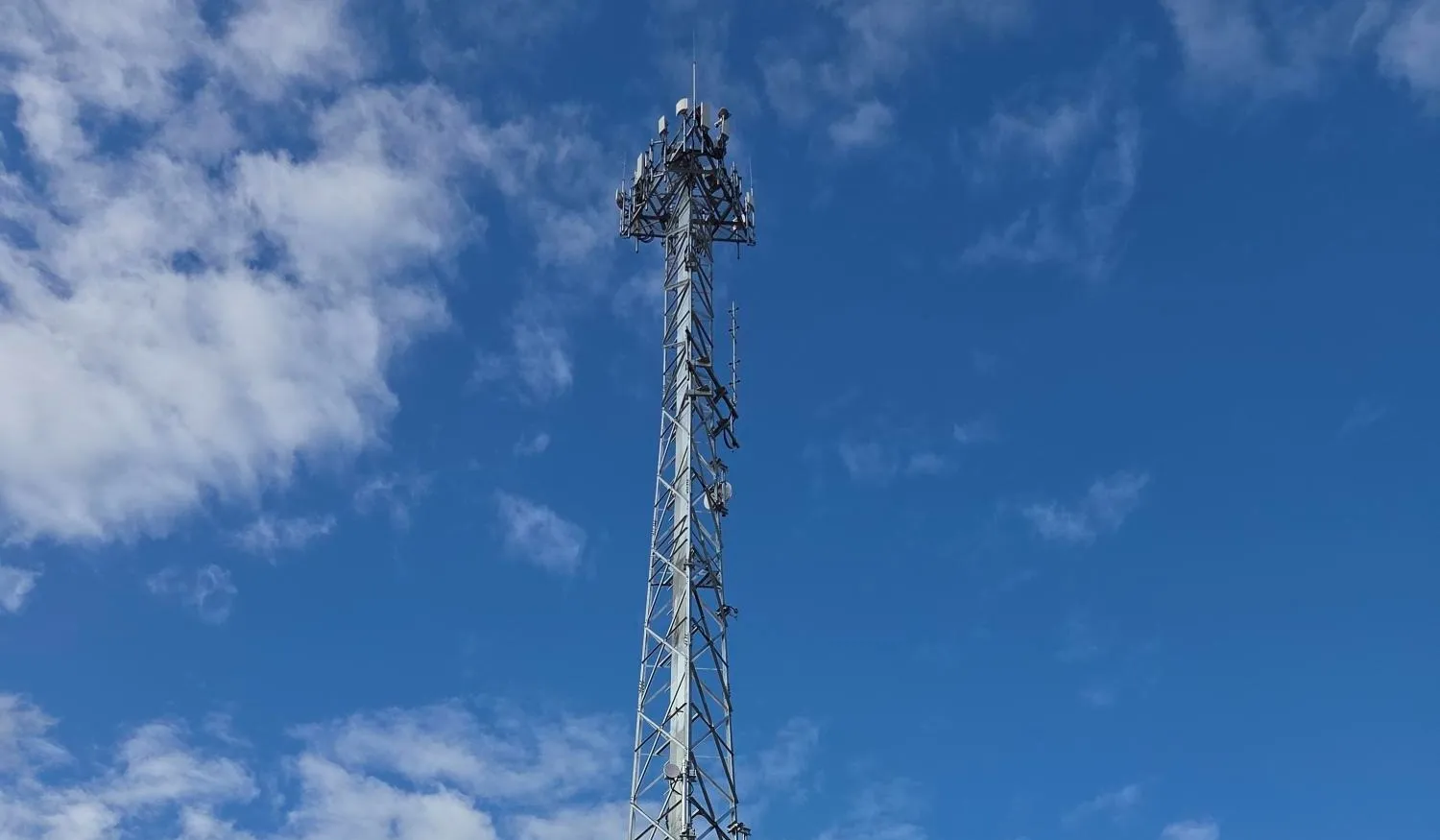
A locally controlled private 4G and 5G mobile network, engineered around an operating underground coal mine in Central Queensland, with a dedicated on-site mobile core.

More than mobile coverage
As mining operations become increasingly dependent on connected workers, operational technology, telemetry and real-time data, the mine needed a mobile platform that delivered reliable coverage and far greater control than a conventional public mobile network.
Key requirements:
- Reliable private mobile coverage across operational areas
- Support for both 4G LTE and 5G
- Separation of users, devices and operational services
- Local control over network traffic
- Centralised SIM provisioning and management
- Support for OT and telemetry applications
- A scalable platform for future digital-mining use cases
A purpose-built mobile network for the mine
MarchNet designed, deployed and commissioned its ProConnect private 4G and 5G solution in June 2026. The network uses a three-sector radio architecture integrated with a dedicated mobile core: a private mobile environment engineered specifically around the mine’s requirements, rather than a simplified extension of a public mobile network.
It was required to operate as an industrial communications platform, not simply another source of mobile coverage. Early field testing recorded a mobile speed test of 258 Mbps download, and line-of-sight connectivity approximately 11 km from the site.


On-site mobile core
Rather than a radio layer connected back to a remote carrier environment, the core sits at the mine, giving MarchNet and the customer direct control over how devices, applications and data interact with the network.
- Localised service delivery and flexible traffic routing
- Reduced dependence on public carrier infrastructure
- Site-specific security policies and IT/OT integration
APN-based network segmentation
Dedicated APNs let different classes of devices and applications share the same 4G and 5G infrastructure while remaining logically separated. That is vital where an operational device’s traffic must be handled very differently from ordinary internet traffic.
- Corporate, workforce and field communications
- Operational technology, telemetry and industrial devices
- Future IoT applications
SIM and device management
Centralised SIM management means devices are provisioned and controlled specifically for the private network, deciding who and what can connect, which services they reach and how their traffic is handled. New users and applications can be added without building another wireless network.
4G and 5G capability
4G provides a mature, widely supported layer for workforce devices, industrial routers, telemetry and OT. 5G opens a pathway to more data-intensive applications, so the mine can introduce new use cases progressively, without another wholesale communications upgrade.
Validated, not assumed
MarchNet’s involvement continued well beyond installation and commissioning. After deployment, MarchNet completed a detailed engineering assessment, a 70+ page report, comparing predicted radio coverage against real-world field measurements across the mine, examining both the 4G and 5G layers.

The assessment included carrier-grade RF propagation modelling, 4G LTE and 5G coverage assessment, drive-test measurements, predicted-versus-measured correlation, cell selection, mobility and handover analysis, coverage at operational monitoring locations, and optimisation opportunities.
The study showed good correlation between predicted and measured coverage across the operational area, confirmed the network was performing broadly in line with its design objectives, and set a baseline for future expansion and optimisation. It gave the mine something more useful than a theoretical coverage map: an assessment based on how the network actually performed in the operational environment.


The outcome: a site-controlled mobile platform
- Dedicated private 4G and 5G connectivity
- On-site mobile core with local control
- APN segmentation separating IT and OT use cases
- Centralised SIM and device management
- High-speed mobile connectivity
- Scalable platform for telemetry and OT
- Pathway to industrial IoT and digital mining
- Engineering-grade validation of real-world performance
MarchNet didn’t simply install private 5G. ProConnect gives the mine a locally controlled mobile platform, with the core, segmentation and engineering controls to integrate mobile connectivity properly into an operating mine.